Our fastest bikes, built to win
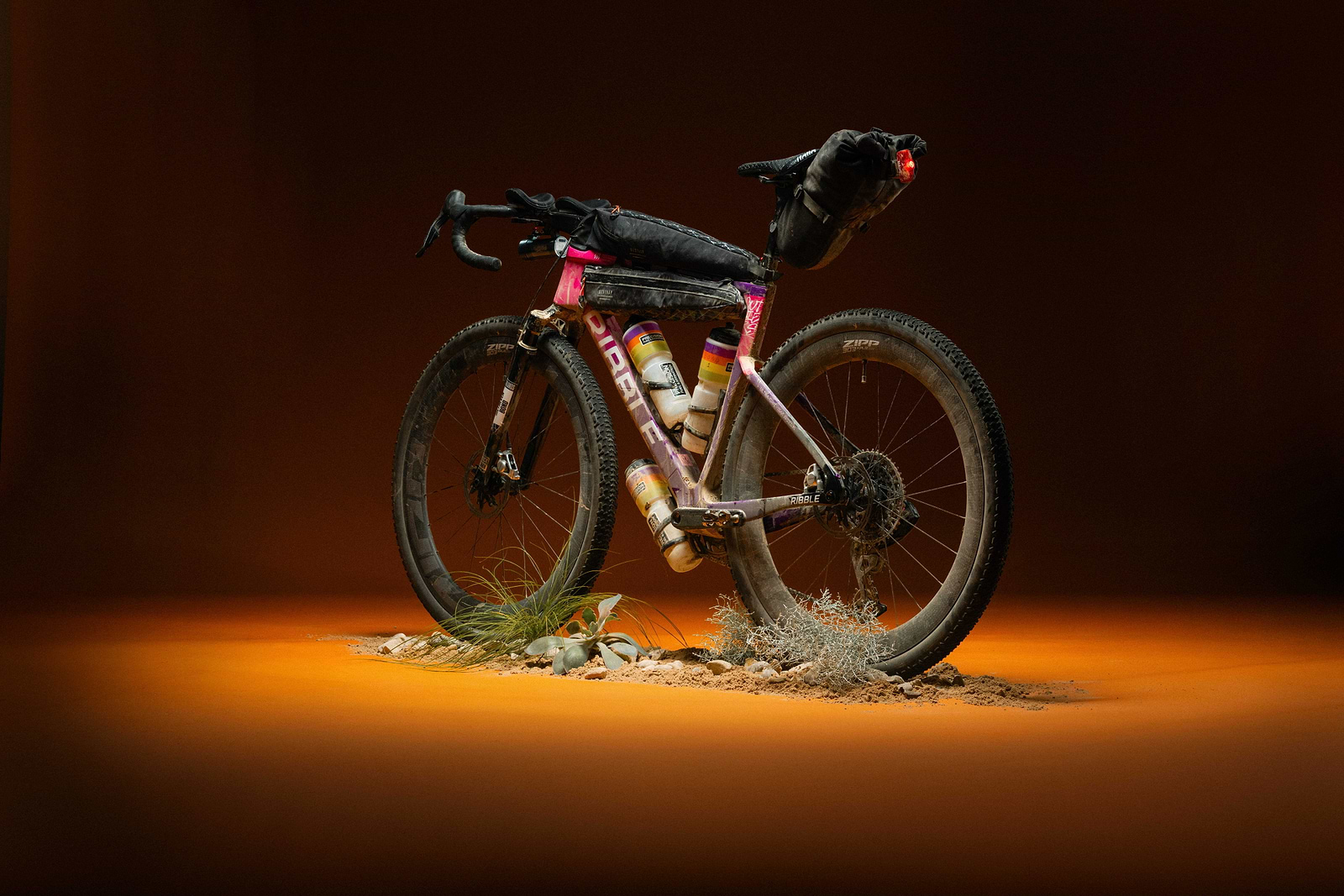
Built for Badlands:
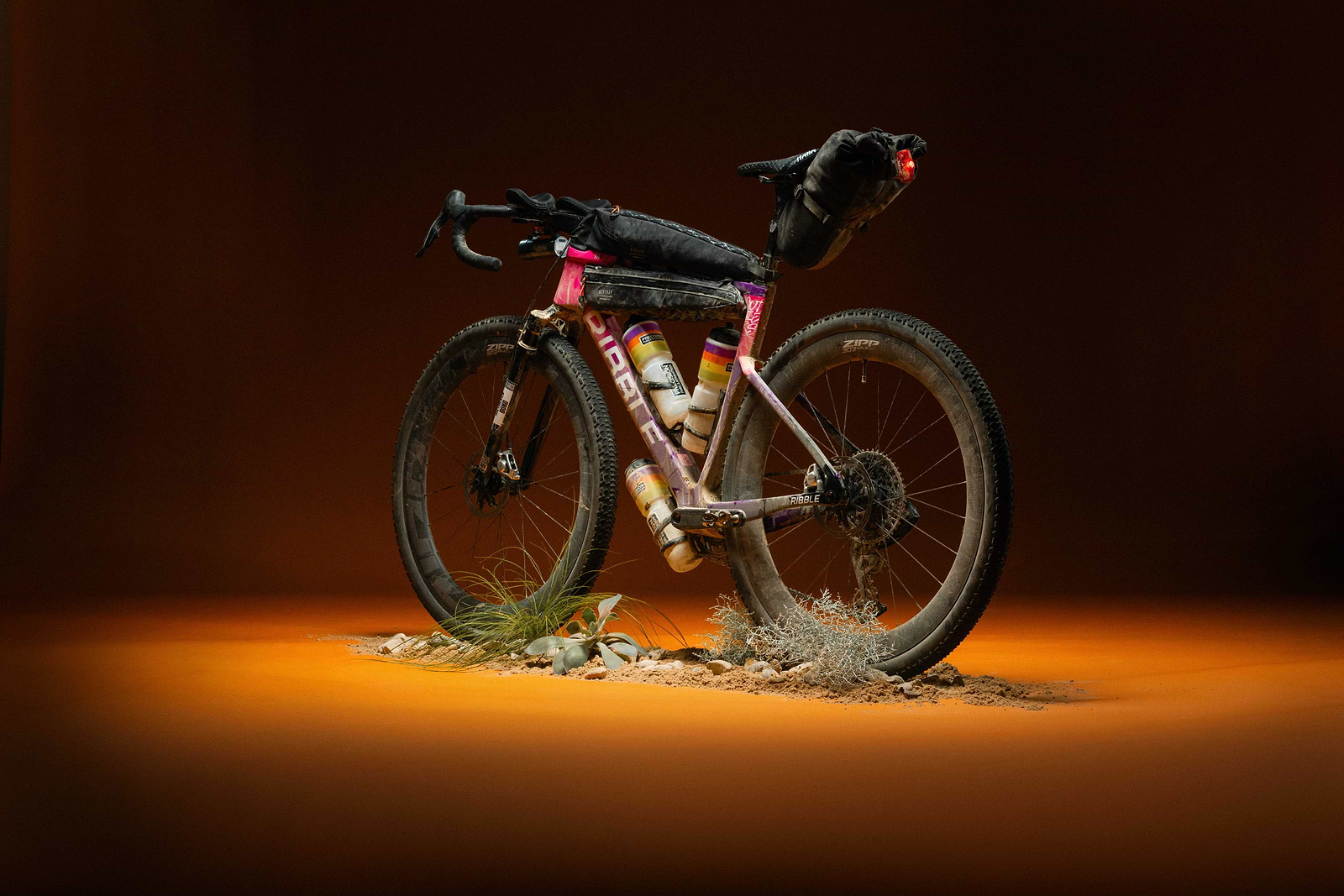
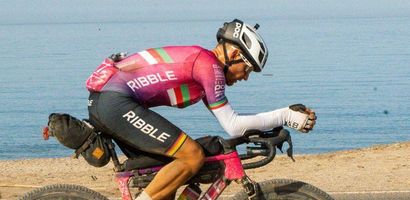
Metheven Bond’s Ribble ULTRA-GRITAcross 817km of Eastern Andalusia, Metheven's ULTRA-GRIT carried him to sixth place at Badlands. His time: 43 hours and six minutes, riding through two nights without sleep.
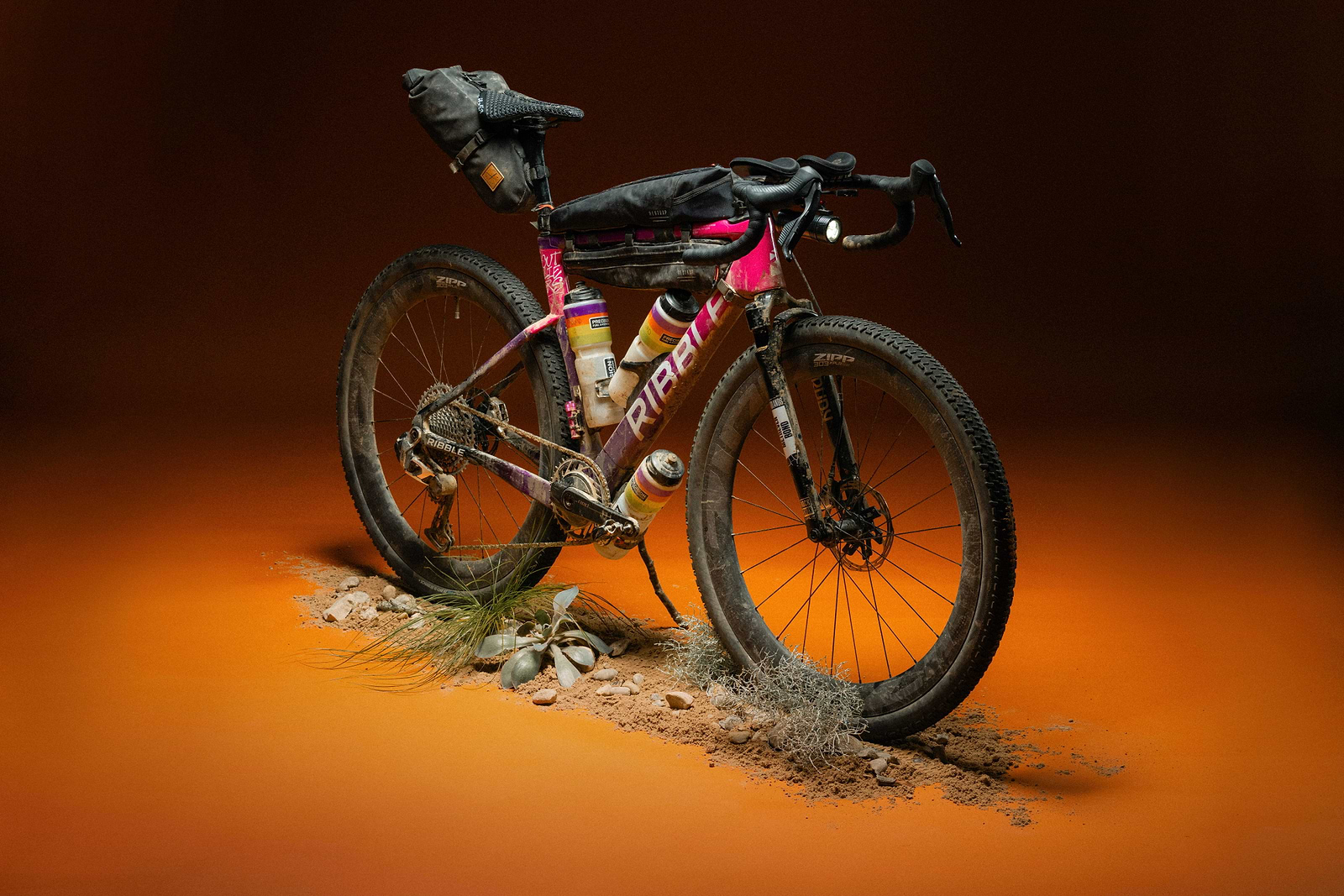
Looking closer at the bike though, another story emerges. Suspension, forearm supports, carefully positioned luggage and an extra bottle mount reveal the thinking behind a setup prepared for long hours and unforgiving terrain.
Every choice addresses a practical problem. How do you reduce the battering from rough ground? Give tired hands a break? Carry enough water between resupply points? Keep essential equipment accessible without making the bike unnecessarily bulky?
Metheven’s build brings those decisions together around the ULTRA-GRIT, adapting his race bike to the particular demands of Badlands.
Taking the sting out of the terrain
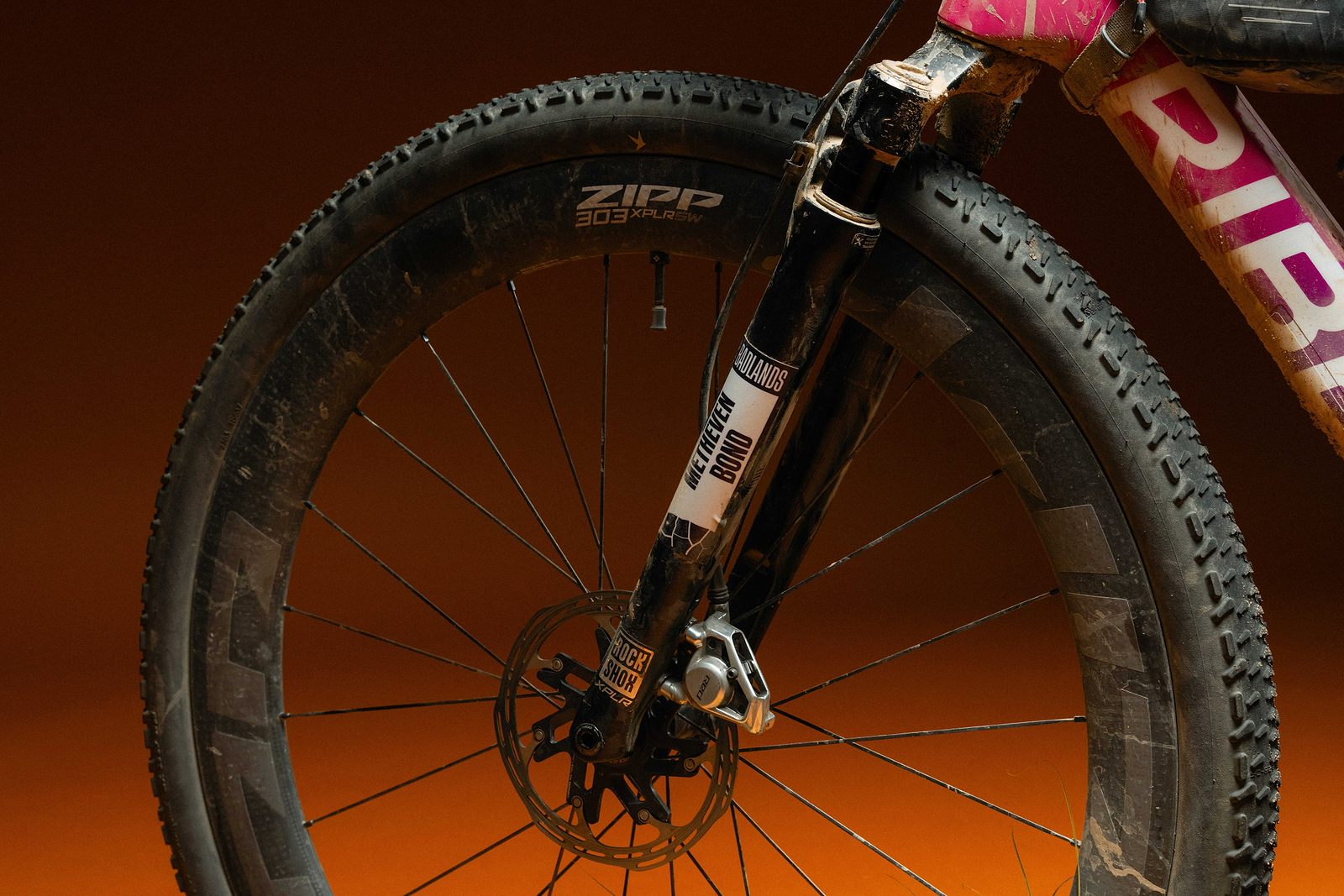
One of the most significant changes sits at the front of the bike. Metheven chose a RockShox Rudy suspension fork in place of the rigid fork, adding a way to absorb impacts before they reach his hands and upper body.
On rough gravel, repeated hits take their toll. A suspension fork can help the front wheel track uneven ground and give the rider greater control as the terrain becomes more technical. RockShox developed the Rudy specifically for gravel riding.
For Metheven, the choice also serves a longer-term purpose: managing fatigue. Smoothing out some of those impacts can reduce the physical effort of dealing with rough surfaces, hour after hour. Across a ride lasting almost two days, comfort becomes an important part of maintaining progress.
Somewhere to rest tired arms
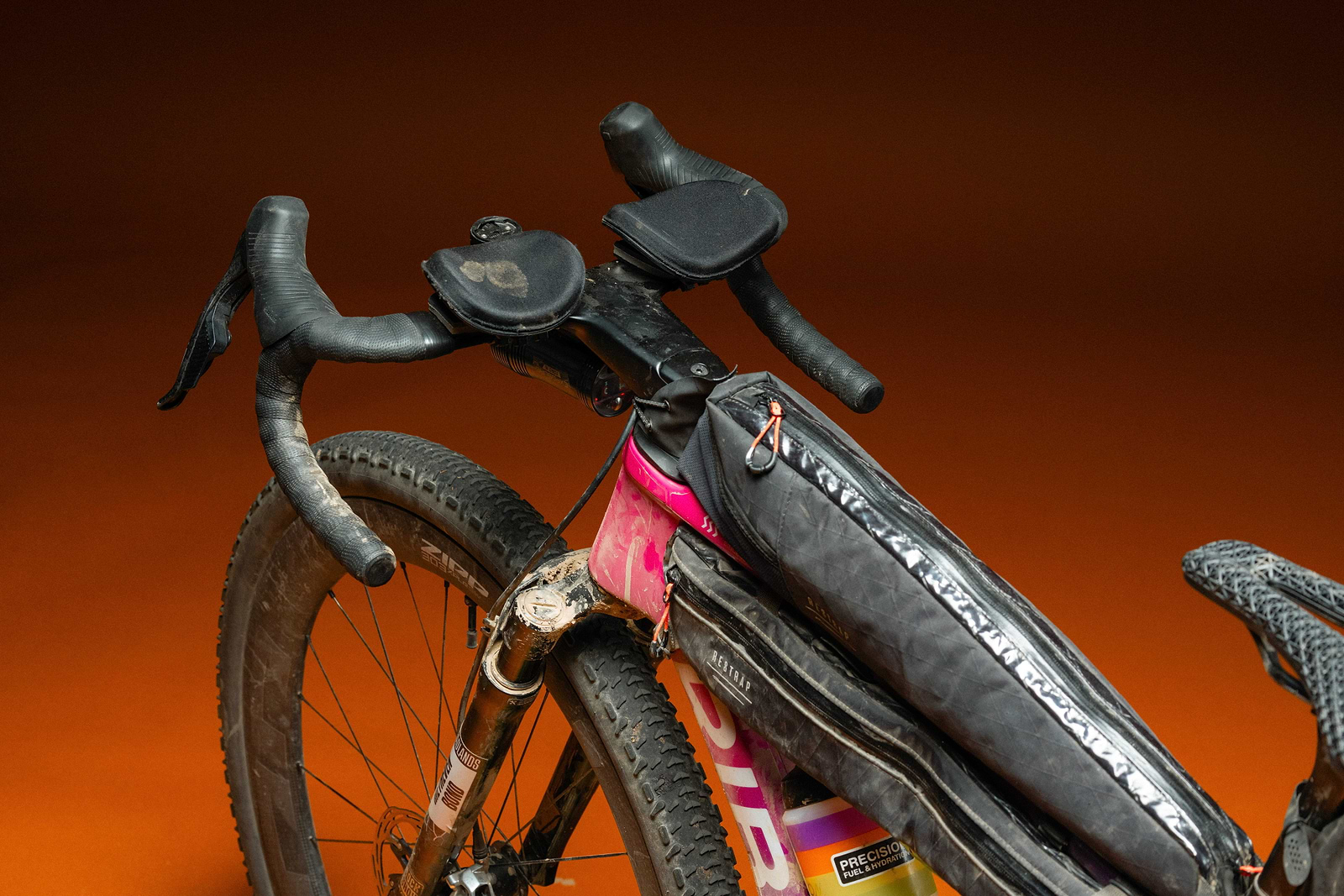
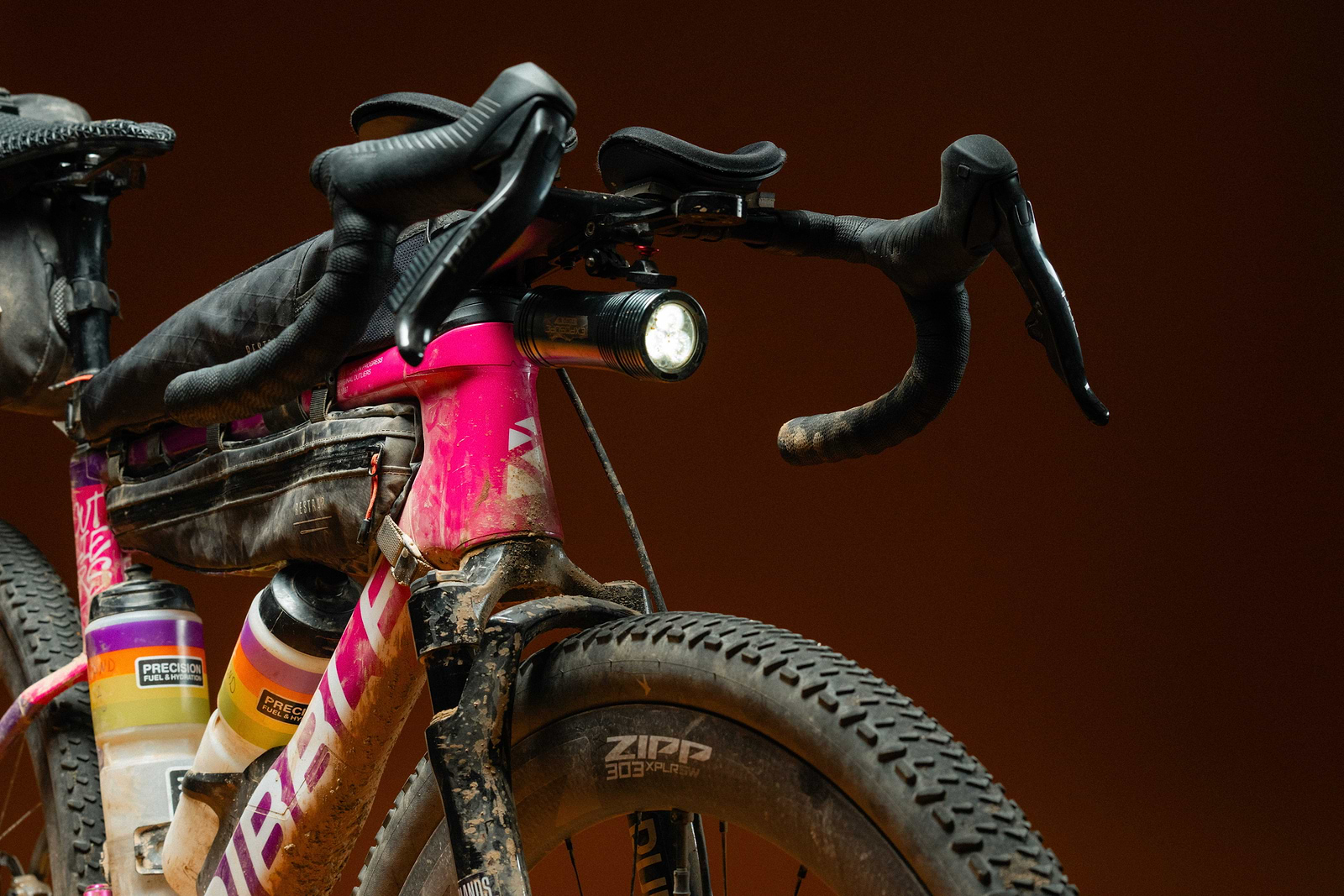
The forearm supports mounted above Metheven’s handlebars are another distinctive feature. Similar to a tri-bar setup, they provide an alternative position on suitable smoother, rolling sections.
Supporting his upper body through his forearms allows him to take pressure off his hands and wrists. It also gives him another position to move into as the hours accumulate, changing how the load is distributed through his upper body.
There is an aerodynamic intention here too. Bringing the forearms in and adopting a lower position can reduce the rider’s frontal area, helping him travel more efficiently when the terrain allows.
The benefit depends on the section of trail. Rough descents and technical riding demand ready access to the brakes and the control of the main handlebars. On more predictable stretches, the supports offer a useful opportunity to settle into a different position and give tired hands some relief.
Big tyres for long days
Metheven paired his Zipp wheels with 50mm Schwalbe tyres, to build comfort and capability into the setup.
That generous tyre volume provides scope to run pressures suited to rough ground, helping the tyres conform to the surface rather than transmit every small impact directly to the rider. With an appropriate tread and pressure, it can also support grip on loose and uneven terrain.
The tyres and suspension fork contribute in different ways to the same objective: keeping the bike manageable while reducing the punishment reaching the rider. Their setup matters as much as their presence, particularly once luggage and water add to the total load.
The Zipp wheels bring a deeper rim profile to the build, chosen with aerodynamic efficiency in mind. The overall result depends on the wheel and tyre combination, but the intention is consistent with the rest of Metheven’s bike: combine the capability needed for rough ground with efficient progress wherever the route opens up.
Carrying a race’s worth of essentials
Badlands is self-supported. Metheven had to carry his equipment, manage his supplies and deal with problems along the route himself.
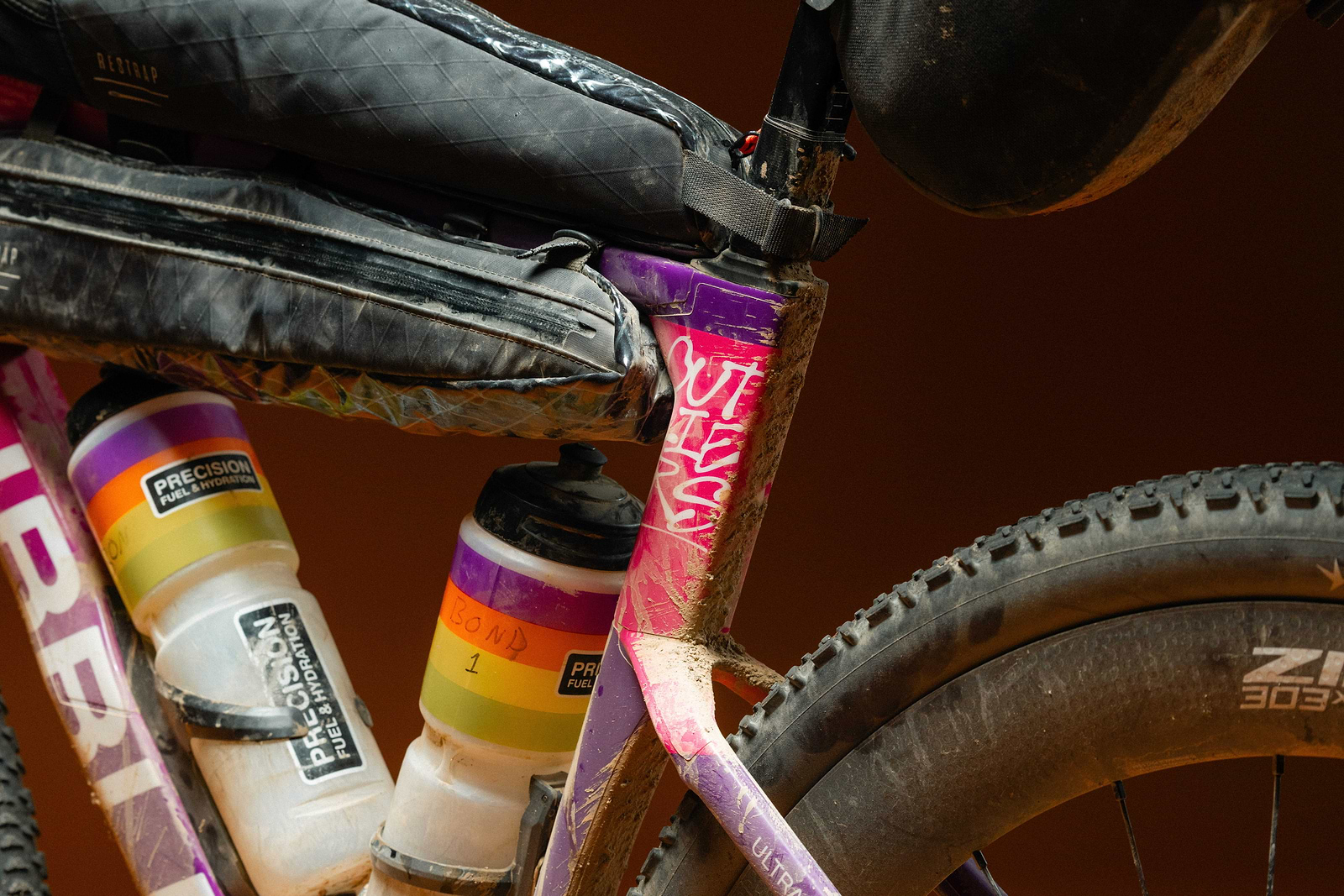
His Restrap bags make that possible while keeping the load compact. Positioned within the frame or tucked close to the bike and rider, they avoid the width of a traditional pannier arrangement. The aim is to carry what he needs without adding unnecessary bulk to the bike’s profile.
That positioning also makes packing part of the bike setup. Space has to be shared between luggage, bottles and the rider’s movement, with frequently used items placed where they can be reached easily.
The ULTRA-GRIT’s internal down-tube storage adds another place for essentials. Together, the frame storage and bags allow Metheven to distribute his equipment across the bike, adapting a gravel race platform to the demands of a much longer event.
Making room for more water
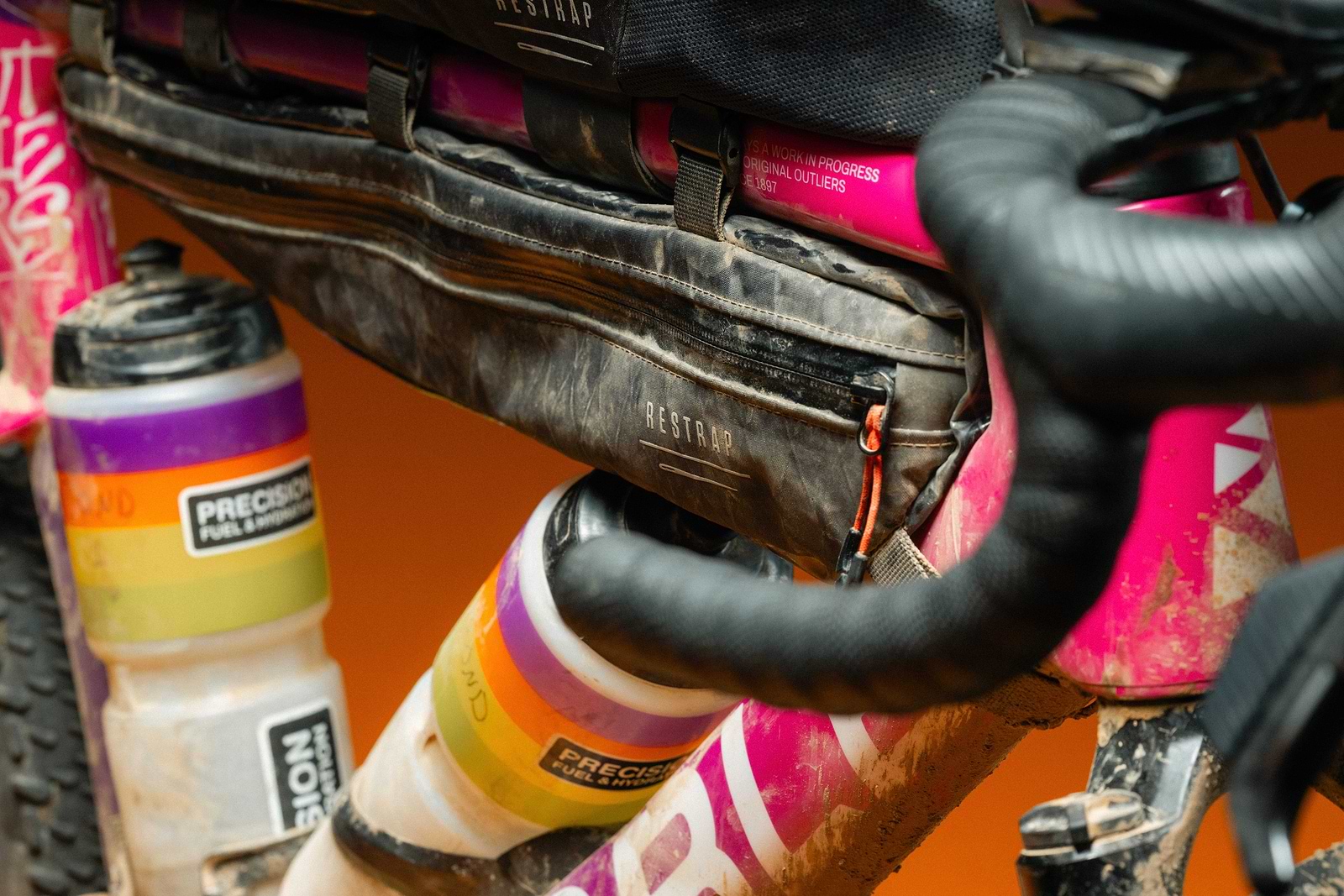
Alongside the two familiar bottle positions inside the frame, on the down tube and seat tube, Metheven added another beneath the down tube.
It is a small detail with an obvious purpose: additional carrying capacity between opportunities to refill.
In self-supported riding, finding water is only part of the task. You also need enough capacity to carry what the next section requires. An extra mounting position gives Metheven more flexibility when planning those stretches.
It is one of the clearest examples of a practical adaptation that other riders can understand immediately. For a remote route or a long day between reliable stops, the ability to carry another bottle can be more useful than a more conspicuous upgrade.
Wireless shifting, a tidy cockpit
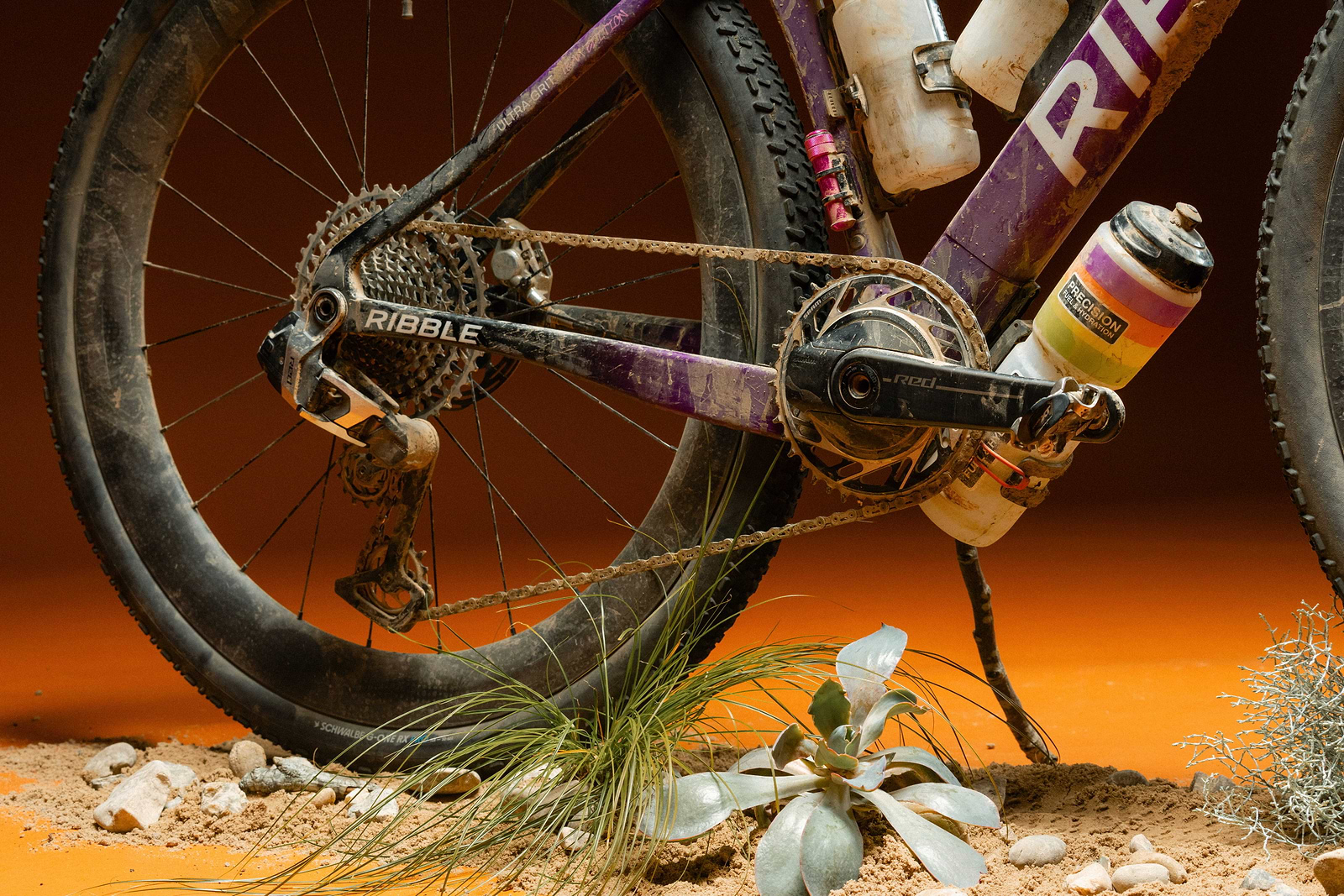
Metheven retained the SRAM RED groupset from his race-bike specification, with wireless electronic shifting keeping gear cables out of the equation.
There are no mechanical shift cables or housings to collect contamination or develop cable friction. The hydraulic brake hoses are internally routed, keeping the front of the bike tidy and reducing exposed hose runs around the cockpit. SRAM’s AXS system combines wireless shifting with hydraulic braking.
That distinction matters: wireless shifting removes shift cables, while internal routing manages the brake hoses. The drivetrain still needs care, and the electronic system needs battery planning, but the arrangement suits a bike carrying bags and equipment around the bars and frame.
For Badlands, it forms part of a considered setup in which controls, luggage and accessories all need to work together.
The small details within reach
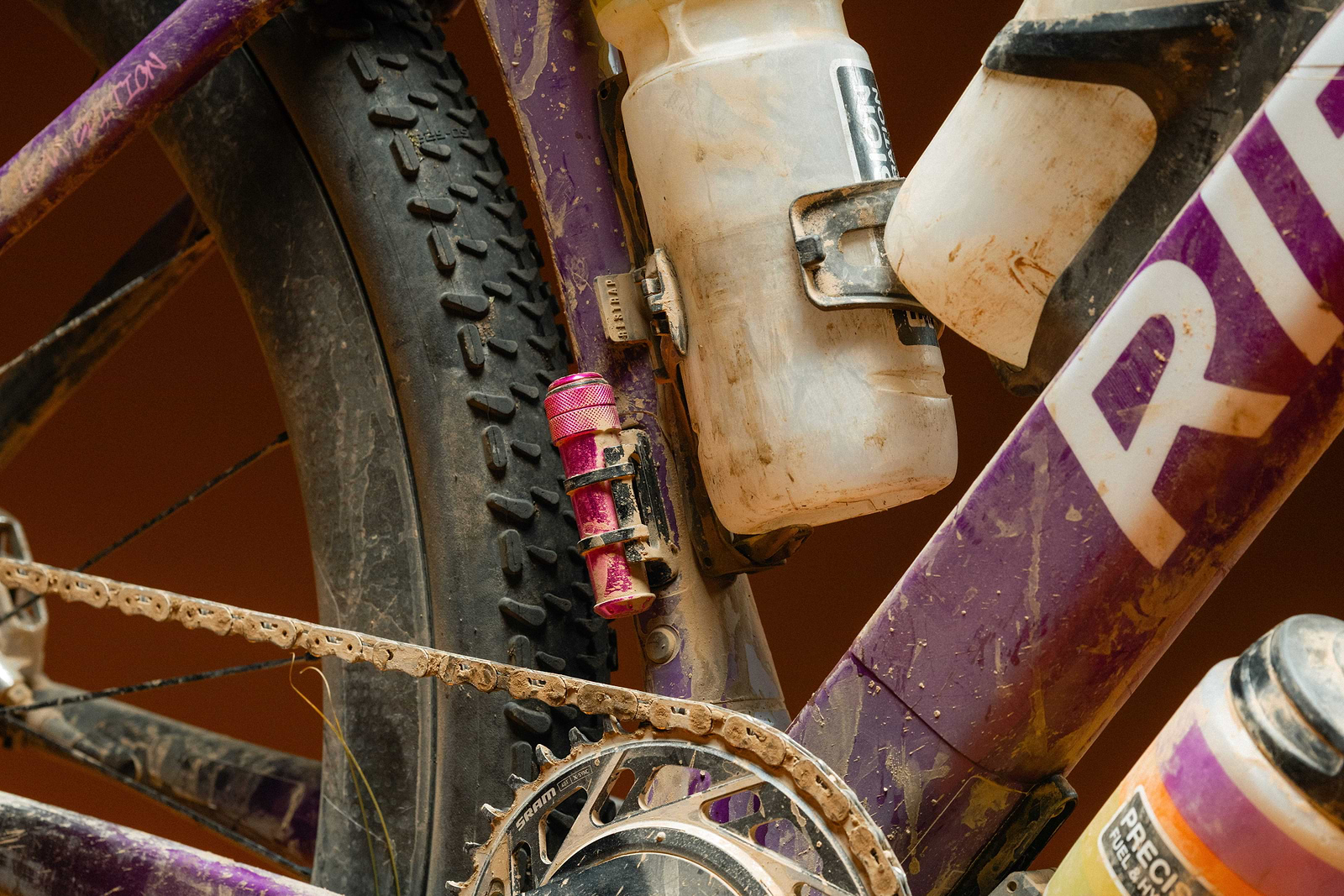
Some of the most personal touches are easy to overlook. Metheven’s externally mounted CO₂ canister, positioned by the frame-storage area, is one of them.
Across hundreds of kilometres of rough riding, being prepared for a puncture is essential. Keeping inflation equipment accessible means less searching through packed bags when a repair is needed.
The canister is a small component, but its placement illustrates the thinking behind the whole bike. Equipment has to be carried somewhere; putting it somewhere useful can make a difficult moment easier to manage.
Those details become increasingly valuable as fatigue builds. A setup that is straightforward to use at the start should remain straightforward deep into the second night.
From Badlands to your own riding
Metheven’s bike is specific to his needs, but its foundations are available to other ULTRA-GRIT riders. Ribble’s ULTRA-GRIT platform includes 50mm tyre clearance, internal down-tube storage and mounting points, providing scope to prepare the bike for different routes and distances.
His build shows how those features can work together with individual component and accessory choices. Suspension addresses rough terrain. Forearm supports offer another riding position. Compact luggage and extra bottle capacity make a demanding self-supported journey possible.
The useful lesson is to start with the ride ahead. Consider the ground, the distance, the supplies needed and the places where discomfort might build, then make choices that address those demands.
At Badlands, Metheven put that approach through an exceptional test. His ULTRA-GRIT carried him, his equipment and his supplies across 817km and 14,420 metres of climbing to a sixth-place finish. It is a powerful example of the bike’s capability and of how thoughtful preparation helps a rider make the most of it.
More From The Gallery
Built For Badlands: Metheven Bond’s Ribble ULTRA-GRIT
Metheven Bond’s Badlands bike: the Ribble ULTRA-GRIT that carried him to sixth place across 817km of demanding terrain. Explore his setup, from tyres and gearing to comfort and carrying essentials, and discover how the details behind his ride can help shape your own gravel adventures, wherever they take you.
A Solo Win in Wales and a Season Closed Out in the Ardennes
The Ribble Outliers delivered another standout weekend of gravel racing across Wales and Belgium. Jenson Young claimed an unforgettable solo victory at UCI Gravel Cymru, with Abi Smith taking second and Ben Thomas completing the podium in third. Meanwhile, Sophie Wright closed out her Gravel Earth Series campaign in the Ardennes, securing seventh overall after a season of victories, podiums and a national title. Every result was earned aboard the Ribble ULTRA-GRIT.
43 hours in Andalusia - Metheven Bond Rides to 6th at Badlands
817km, 14,420m of climbing, two nights without sleep and barely an hour off the bike. Metheven Bond's Badlands is one of the rides of our season.
We Came, We Saw, We Conquered.
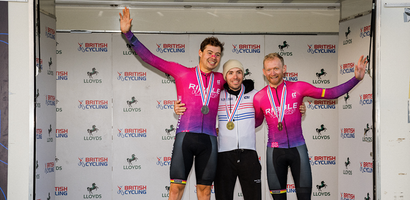
All four elite national jerseys, a medal for every rider, and a comeback story six weeks in the making. This is how the first ever official British Gravel Championships went for the Ribble Outliers.
Back From Altitude
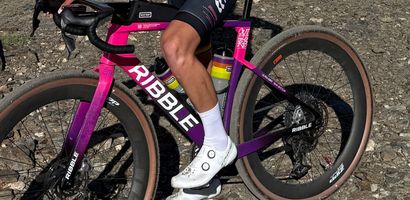
Jenson Young has spent the biggest training block of his season on his own in the Sierra Nevada. He flies home on Monday with Nationals and the Europeans to come.

Jenson Young Takes on the London Orbital Gravel Route
His goal? Chase down the 2 GCN presenters Si Richardson and Alex Paton who started the same route with a 90-minute head start.
Built for the Margins: Sophie Wright’s Ultra-Grit Special Edition
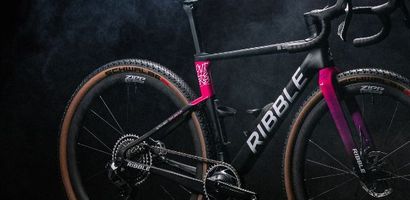
At the sharp end of racing, the difference is made in the fine margins. Sophie Wright’s ULTRA-GRIT Special Edition is built for those margins. A one-off race bike built by our development team to be lighter, more focused and stripped back to what matters.

Proven on the World Stage: Ribble Outliers at the 2025 UCI Gravel World Championships
A season-defining finale in Limburg: fast, technical racing, a dominant Dutch display, and the Ribble Outliers closing 2025 with grit, heart, and standout rides.

Gravel Worlds 2025: One Last Dance for The Outliers
The Ribble Outliers take on the biggest race of the season - the Gravel World Championships in Limburg, Netherlands - after a year of relentless racing, preparation, and grit, all leading to this final showdown.

Unfinished Business: Jenson Young Returns to the Three Peaks
Ribble Outlier Jenson Young heads back to the legendary Three Peaks Cyclo-Cross, chasing redemption on Britain’s toughest one-day race after heartbreak on Pen-y-ghent in 2024.
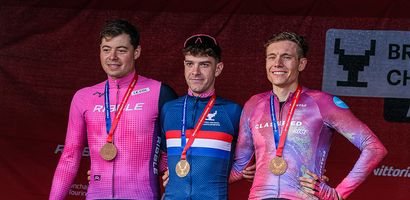
Outliers at the British Gravel Championships: Grit, Glory & Podiums
The British Gravel Championships at Dalby Forest delivered a weekend of all-out racing, changing weather, and fierce competition. For the Ribble Outliers, it was a chance to test themselves against the country’s best—and they rose to the occasion. From time trial victories to championship podiums, the team showcased grit, strength, and the performance.

Backing British Gravel: Ribble at the British Gravel Championships
At Ribble, cycling has always been more than just bikes. It’s about community, progression, and giving back to the sport that shapes us. That’s why we’re proud to be the presenting partner of the 2025 British Gravel Championships – an event that showcases the very best of one of cycling’s fastest-growing disciplines.