Our fastest bikes, built to win
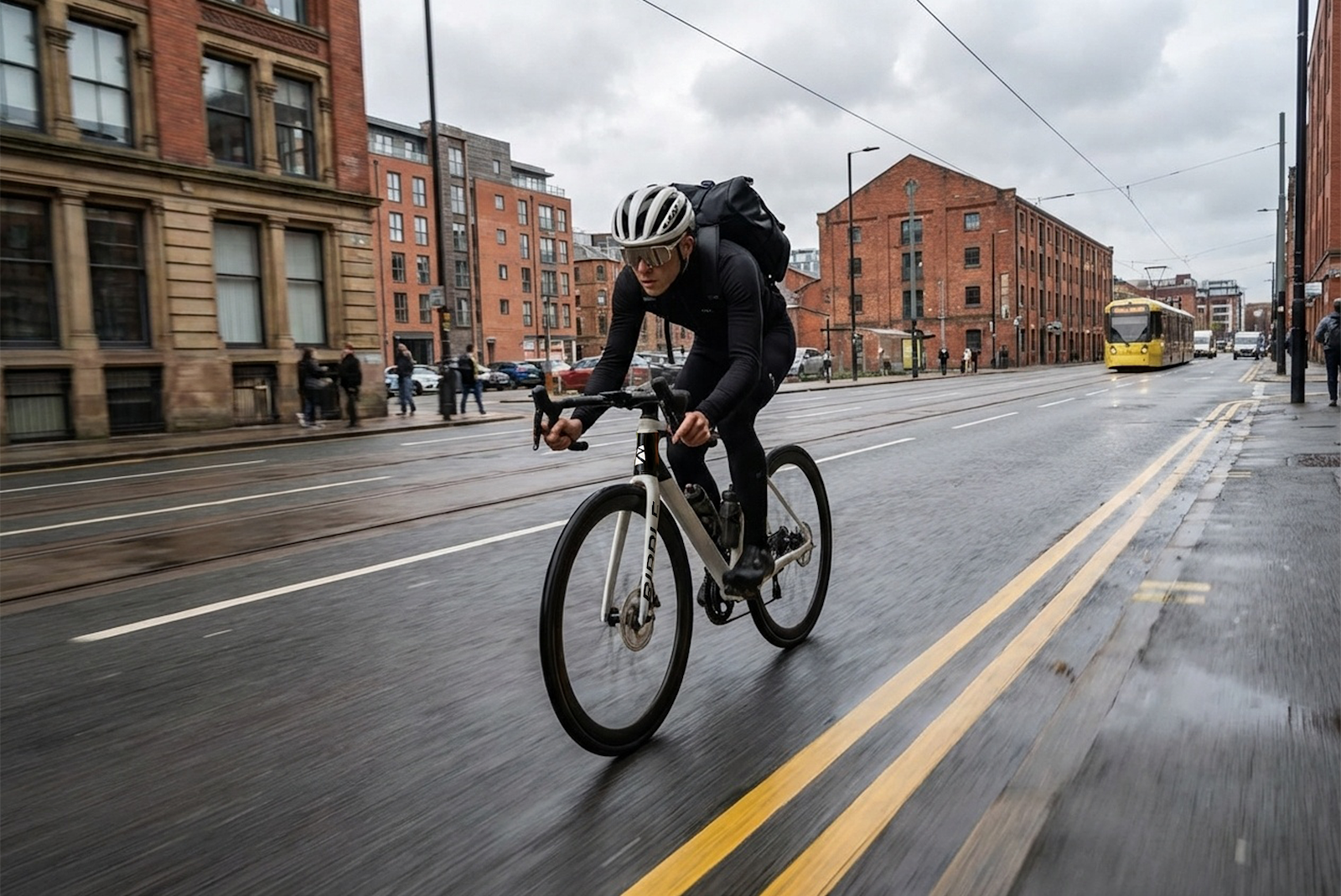
Turn Your Commute Into Training: A Guide
*Updated June 2026
Turn your daily commute into a training plan. With a little structure, those routine miles can build real strength, speed and endurance.
Most riders are sitting on far more fitness potential than they realise. If you ride to work, you already have the most consistent block of riding in your week.
This guide shows how to turn those everyday miles into real gains in endurance, speed and form without adding extra hours to your schedule.
Why Your Commute Is the Best Training Tool You Have
A typical commute can give you 7–10 hours of riding each week. For most amateur cyclists, that is a serious training block, more than many manage at the weekend. The real opportunity isn’t the distance itself but using that distance with intent rather than just rolling to the office on autopilot.
You are in good company, even if it doesn’t feel like it. Only around 1% of UK commuters cycle every day, yet most of those who do say they actively enjoy it. Consistency is the secret weapon. Fitness builds through repetition, and nothing in your week repeats as reliably as the journey to work.
How to Plan Commute Ride Training
The aim is simple: make every ride count.
You do not need a coach or a complicated plan, just a sense of what each day is for. Most riders get everything they need from three types of session:
1. Endurance Rides to Build Your Base
When building base fitness, ride steady. Hold an easy, conversational pace the whole way. If you use heart rate or power, think Zone 2. It feels almost too easy, but stack those rides together and watch the aerobic volume grow.
2. Interval Sessions for Intensity
To build speed, thread higher efforts into your ride. Use the terrain you pass every day. A hill becomes a climbing rep, a clear stretch of road turns into a tempo block, even the gaps between traffic lights can frame short, sharp sprints. One or two sessions like this each week is plenty.
3. Recovery Rides to Absorb the Work
Easy days matter as much as hard ones. Spinning gently to and from work flushes the legs, keeps you moving on rest days and helps you reach both ends of the day less stressed. Recovery rides are never wasted. They are what make the hard ones effective.
A Simple Weekly Commute Training Plan
Here’s a beginner-friendly template for five commutes. Treat it as a starting point, not a rulebook. Move things around to suit your week and how your legs feel.
- Monday: Recovery - Easy spin both ways, relaxed effort.
- Tuesday: Intervals - Morning ride in with 4–6 hard efforts of 1–3 minutes, keep it easy between.
- Wednesday: Endurance - Take the longer route and hold a steady, consistent pace start to finish.
- Thursday: Tempo - On the way home, slot in 1–2 sustained blocks of 8–15 minutes at a strong but sustainable pace.
- Friday: Easy - Gentle spin to round off the week, or skip if you’re feeling tired.
Always adjust to your own fitness. If a hard day leaves you flat, swap the next one for an easy spin. Consistency beats heroics.
Use Your Commute to Track Fitness
The same route every day turns your commute into a rolling fitness test. Because distance and stops stay constant, changes in effort or heart rate are easy to spot. A higher heart rate than usual at your normal pace means you need more recovery. Feeling strong on the same effort means the plan is working.
Compare power, HR and perceived exertion over weeks. Trends tell the truth far better than any one-off ride.
Match the Route to the Session
Experienced riders keep a few route options that still get them to work on time. A direct line is good for recovery, a longer loop adds endurance, a hilly detour serves up climbing work. Timing matters too. Early departures mean quieter roads for sustained efforts. Busier runs work for short punchy efforts between stops.
Managing Training Load and Recovery
Folding training into your commute still requires balance. Hard commutes count towards your weekly training load, so plan accordingly. Stack too many and fatigue will bite. The flexible approach wins: check your legs each morning and keep it easy when life ramps up.
Short on time or arriving sweaty? Consider an e-bike. If hills, headwinds or turning up red-faced are what keep you off the bike, an electric commuter bike solves all three.
The assist helps you hold a steady pace so you can arrive quicker and fresher. Browse Ribble's electric bike range to see what fits your commute.
Building a Habit That Lasts
The magic of commute training is its staying power. Because the ride already sits in your day, it keeps your fitness ticking even when other training falls away. Daily riding also builds bike handling and all-weather confidence that pays off in races and weekend rides. The best bit? The habit sticks because it serves a purpose beyond fitness: getting you to work.
You do not need to overhaul your routine. Small tweaks to effort, a different route, the odd structured session are enough to turn everyday riding into meaningful training.
Explore our full range of commuter bikes and level up your daily ride.
FAQ's
Treat familiar roads like a session. Add short blocks of controlled effort, keep one direction easy, and use the return leg for tempo or hill efforts. Track progress by time on section, heart rate or perceived effort, then cool down before you arrive so you start the day fresh.
Yes. Consistent rides build aerobic fitness, strength and resilience without needing long sessions. Aim to ride little and often, extend one route by 10 to 20 minutes when time allows, and keep at least one easy day each week so fitness rises without leaving you drained.
Use bite size efforts that fit between junctions. Climb steady on rises, ride tempo on longer clear sections, and sprinkle in a few short sprints or high cadence spins when traffic is light. If lights interrupt a block, pause the effort, roll easy, and pick it up safely when the road opens.
Choose a reliable bike with room for wider tyres and full mudguards so you can ride year-round. Go for tyres with puncture protection, carry lights front and rear with a backup set, and keep spares plus a mini tool on the bike so training plans are not derailed by niggles.
Absolutely. You still pedal and can choose how hard to work by adjusting assist to stay in your target zone. Use lower assist on flats to lift effort, bump it up on hills to manage sweat, and focus on smooth cadence and good posture so technique improves alongside fitness.
SPORTFIT: Why Flatbar Bikes Might Be Right For Your
Flat bars just make riding feel easy again. No ego, no overthinking, just control, comfort, and a bike you actually want to use every day. If you want riding to feel simpler, more natural, and way more enjoyable, this is worth a read.

How to Use Your Cycling Commute as Training: A Beginner’s Guide
Turn your daily commute into a training plan. With a little structure, those routine miles can build real strength, speed and endurance.
Steel is real for Oli, our Clitheroe Store Manager
Steel is real for Oli, our long-distance cycling Clitheroe Store Manager. Since our flagship showroom opened back in April, we've all taken the opportunity to test our commute to work. By car and, of course, by bike. Top marks on the cycling commute leader board undoubtedly go to Oli. So far, he's cycled the furthest in any single ride. Commuting from where he lives in Stockport to our showroom on the Barrow Brook Retail Park.